

When a partner’s planets fall into your 3rd, 7th, or 11th houses—the Air houses—the relationship becomes mentally stimulating, socially active, and communication-driven. These overlays emphasize curiosity, conversation, and collaborative problem-solving. In synastry chart interpretation, Air house activation explains why some couples talk for hours or thrive in shared social circles. Through relationship synastry, partners often discover that they connect best through ideas, humor, and intellectual understanding rather than intense emotion or physical attraction alone.
Air houses support compatibility rooted in friendship, equality, and openness. Using a synastry chart calculator, many identify these overlays in relationships where communication feels effortless and refreshing. Air-house synastry encourages mutual respect, balanced dialogue, and shared goals, making it essential for long-term harmony. This influence helps couples grow together mentally and socially while maintaining emotional clarity and personal freedom.
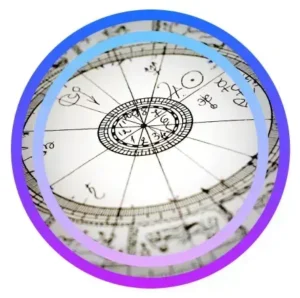

Air houses—third, seventh, and eleventh—govern intellectual interests, personal relationships, and social connections in synastry and natal chart comparison. Planets occupying these houses in another’s chart stimulate communication, partnership orientation, and friendship capacity, creating mental rapport and social harmony between individuals. In relationship astrology and compatibility analysis, air house emphasis indicates connections where partners perceive each other as distinct personalities worth engaging intellectually and socially. Understanding planetary placements in air houses reveals communication dynamics, partnership potential, and friendship dimensions that support or challenge relationship development through mental connection and social compatibility.
The Nature of Air Houses in Relationship Analysis
Air houses connect with air signs—Gemini, Libra, Aquarius—emphasizing mental processes, social interaction, and relational exchange. When planets occupy these houses in synastry, they stimulate intellectual interests plus personal and social relationships, allowing individuals to communicate with others perceived as personalities with whom genuine personal connection seems desirable and possible.
Mental Stimulation and Social Engagement
Air house overlays create relationships where mental engagement proves central. Partners enjoy conversation, share ideas readily, and find intellectual compatibility essential for satisfaction. Without mental rapport, even strong physical attraction or emotional resonance cannot sustain connection for air house-emphasized partnerships.
These placements support relationships operating at conscious, articulated levels. Partners can discuss feelings rather than merely experiencing them, analyze relationship dynamics together, and negotiate differences through rational dialogue. This conscious processing capacity proves valuable but may also create excessive mental focus that bypasses deeper emotional or physical dimensions.
Individual Recognition and Personal Exchange
Planets in air houses allow perceiving others as distinct individuals worthy of genuine personal relationship rather than merely functional connections or projections of unconscious needs. The house person recognizes the planet person as separate entity with unique perspectives, preferences, and personality deserving respect and engagement.
This individual recognition supports healthy relationships where both partners maintain separate identities while connecting meaningfully. However, excessive air house emphasis without grounding through earth houses or depth through water houses can create relationships remaining perpetually surface-level despite genuine affection.
Third House: Communication and Mental Rapport
Planets in the third house influence how individuals communicate with others, primarily through associative thought processes and speech. These planetary placements inspire growth, change, and learning in mental development and intellectual self-expression areas, potentially awakening feelings of equality with others and demonstrating capacity for quickly building harmonious personal relationships.
Communication Style Activation
When another person’s planets occupy the third house, they directly affect the house person’s communication patterns, thinking processes, and daily interactions. The planet person stimulates conversation topics, influences information processing methods, or challenges existing mental frameworks through their presence and input.
For example, someone’s Mercury in another’s third house creates natural communication flow and mental synchronization. The Mercury person’s thinking style matches the house person’s communication sector naturally, producing easy dialogue, shared interests, and intellectual stimulation that both parties enjoy. Conversations flow effortlessly without forcing topics or struggling for common ground.
Conversely, Saturn in the third house may introduce communication caution, critical thinking, or seriousness to exchanges. The Saturn person might censor or correct the house person’s communication, creating either helpful structure or inhibiting spontaneity depending on aspects and overall compatibility.
Learning and Mental Growth
Third house planets inspire learning and mental development for the house person. The planet person introduces new ideas, expands information sources, or challenges intellectual complacency, pushing the house person toward mental growth and broadened perspectives.
This learning dimension proves particularly valuable in mentor-student relationships, friendships based on shared intellectual pursuits, or partnerships where both individuals value continuous learning and mental stimulation. The relationship becomes vehicle for expanding knowledge, refining thinking, and developing intellectual capacities.
However, if the planet person’s mental approach fundamentally conflicts with the house person’s thinking style, third house overlays can create chronic communication frustration. Misunderstandings accumulate, conversations feel effortful rather than flowing, and both parties may question whether they speak the same language despite using identical words.
Equality and Quick Connection
Third house activation awakens feelings of equality between individuals and demonstrates capacity for quickly building harmonious personal relationships. The ease and speed of connection formation characterize positive third house synastry, with partners rapidly establishing rapport and comfortable interaction patterns.
This quick bonding occurs because third house communication operates at everyday, accessible levels. Unlike fourth house emotional vulnerability requiring time to develop or eighth house psychological intimacy demanding trust-building, third house connection happens through ordinary conversation, shared activities, and casual interaction anyone can initiate immediately.
The challenge involves ensuring quick surface connection deepens over time rather than remaining perpetually superficial. Third house relationships risk becoming all talk without substance unless other house overlays provide emotional depth, sexual chemistry, or practical partnership dimensions.
Seventh House: Partnership and Reciprocal Exchange
Planets in the seventh house inspire feelings regarding partnership, especially close bonds with other people. These planetary placements emphasize certain true connection aspects, namely mutual giving and receiving between individuals. This house represents the relationship crucible where self meets other through conscious partnership commitment.
Partnership Orientation and One-on-One Exchange
Seventh house overlays create natural partnership orientation where both individuals recognize each other as significant partners rather than casual acquaintances or functional connections. The planet person fits naturally into the house person’s partnership sector, embodying qualities sought in committed relationships—whether romantic, business, or other formalized alliances.
When “benefic” planets like Venus or Jupiter occupy the seventh house, relationships often complement self-perception positively. The house person feels enhanced, validated, and more complete through partnership with the planet person. The relationship supports identity development by providing mirror reflecting strengths and positive qualities.
Conversely, challenging planets or difficult aspects may disrupt or catalyze self-perception changes through relationship interaction. The planet person challenges the house person’s self-concept, forcing examination of identity through partnership dynamics. This disruption proves uncomfortable yet potentially growth-promoting if both partners maintain consciousness and goodwill.
Mutual Exchange and Reciprocity
Seventh house relationships emphasize balanced giving and receiving—the essence of fair partnership. Both individuals contribute relatively equally, supporting each other’s needs and desires reciprocally rather than one serving while the other receives. This mutual exchange creates partnership satisfaction and sustainability.
The specific nature of exchange depends on which planets occupy the seventh house and their aspects. Mars in the seventh house might create energetic, passionate, or occasionally combative exchange. Venus supports harmonious, affectionate, pleasure-oriented reciprocity. Saturn introduces serious, committed, responsible exchange emphasizing long-term stability over immediate gratification.
When exchange becomes unbalanced—one partner giving disproportionately while the other takes—seventh house relationships deteriorate rapidly. The house sensitive to partnership fairness rebels against inequality, demanding restoration of reciprocal exchange or relationship dissolution.
Special Energy Exchange Quality
Seventh house relationships often feel like special one-on-one energy exchange distinct from group dynamics or casual friendships. Partners experience unique chemistry, magnetic attraction, or sense that their connection possesses significance beyond ordinary relationships.
This special quality stems from seventh house’s opposition to first house of self. The seventh house partner represents “other”—the complement, the mirror, the yang to one’s yin. Through seventh house relationships, individuals encounter aspects of self projected onto partners, creating both fascination and friction as self-recognition occurs through other’s reflection.
Conscious navigation of seventh house dynamics requires recognizing projection patterns without either merging identity completely or maintaining such rigid boundaries that genuine partnership cannot develop. The balance between self and other, autonomy and commitment, defines seventh house relationship success.
Eleventh House: Friendship and Social Harmony
Planets in the eleventh house either facilitate or obstruct capacity for achieving friendly, harmonious relationships and social stability. This house governs friendship quality, group belonging, and alignment with collective values and future visions.
Friendship Foundation
When Jupiter or Venus from another’s chart occupy the eleventh house, the house person likely considers them genuine friends—individuals who love them and strengthen feelings of social recognition and security. The planet person naturally fits into the house person’s social network, shares compatible values, and supports the house person’s place within collective contexts.
Eleventh house friendships possess different quality than seventh house partnerships. Where seventh house creates intense one-on-one focus, eleventh house maintains comfortable distance allowing both parties freedom and independence within connection. Friends accept each other without demanding transformation or deep psychological intimacy.
This lighter touch proves valuable for relationships where both individuals value autonomy, require space, or prefer companionship over intensity. However, eleventh house emphasis alone cannot sustain romantic partnerships requiring emotional depth and sexual intimacy that friendship-focused eleventh house doesn’t naturally provide.
Clarifying Social Purpose and Future Plans
Eleventh house planets help clarify true social purpose and personal plans for the future. The planet person may introduce the house person to groups, causes, or collective endeavors that fulfill the house person’s need for meaningful social contribution and future-oriented vision.
For example, someone with Sun in another’s eleventh house might illuminate that person’s role within communities, help them recognize unique contributions they can offer collective endeavors, or inspire confidence about pursuing progressive visions and future-oriented goals.
This dimension proves particularly valuable when individuals feel confused about their place in society, uncertain about long-term directions, or disconnected from collective purpose. The planet person provides perspective, introduces possibilities, or simply validates the house person’s unconventional aspirations that others might dismiss.
Social Stability and Recognition
Eleventh house overlays affect social stability—the sense of secure belonging within communities, friendship networks, and collective structures. Positive planetary placements here enhance the house person’s confidence in social contexts, ease in forming friendships, and comfort with group participation.
Challenging planetary placements or difficult aspects may create social instability, friendship complications, or feelings of not belonging anywhere. The planet person might disrupt the house person’s existing social networks, challenge their group affiliations, or create tension around social values and collective participation.
Understanding eleventh house dynamics helps partners navigate social dimensions of relationships—how they function in groups together, whether they share compatible social circles, and if their friendship foundation supports romantic partnership or exists independently from romantic involvement.
Balancing Air House Emphasis With Other Elements
Excessive emphasis on air houses—third, seventh, eleventh—plus fire houses—first, fifth, ninth—requires caution in relationships because without deeper foundation of emotional or practical considerations, such connections can easily end quickly.
The Need for Grounding
Air house relationships excel at mental connection, social harmony, and conscious exchange but may lack grounding that earth houses provide or depth that water houses create. Partnerships based purely on intellectual compatibility and social rapport struggle when facing practical challenges requiring resource management, commitment to routine, or sustained effort through unglamorous daily life.
Similarly, relationships emphasizing only fire and air houses possess inspiration, excitement, and mental stimulation but may lack emotional security, psychological intimacy, or practical stability supporting long-term partnership sustainability. The initial excitement fades when confronted with ordinary life demands requiring earth house practicality and water house emotional bonding.
Integrating Earth House Stability
Earth houses—second, sixth, tenth—provide practical grounding air house relationships need. When some planets occupy earth houses in synastry, partners develop shared resources, reliable routines, and tangible achievements together that anchor mental connection in material reality.
For instance, while third house communication and eleventh house friendship create enjoyable interaction, sixth house planets introduce practical daily life collaboration and tenth house overlays establish shared ambitions and public partnership dimensions that give relationship concrete form and purpose.
Incorporating Water House Depth
Water houses—fourth, eighth, twelfth—offer emotional depth and psychological intimacy that air house mental connection alone cannot provide. When planets occupy water houses alongside air house emphasis, relationships develop feeling dimensions complementing intellectual rapport.
Fourth house overlays create emotional safety and domestic bonding. Eighth house placements introduce sexual intimacy and psychological transformation. Twelfth house contacts add spiritual connection or karmic depth. These water dimensions prevent relationships remaining perpetually in heads without engaging hearts and souls.
Practical Relationship Implications
Understanding air house emphasis in synastry provides practical guidance for relationship development and realistic expectation-setting about connection strengths and potential limitations.
Communication as Relationship Core
Air house-emphasized relationships thrive through communication maintenance. Partners must talk regularly, share ideas actively, and engage mentally to keep connection vital. Long periods without communication or situations preventing dialogue prove more damaging for air house partnerships than for relationships emphasizing other house types.
These relationships benefit from shared learning activities, intellectual pursuits, social engagements, and conversations exploring ideas, current events, philosophical questions, or mutual interests. Mental stimulation functions as relationship nourishment—when absent, connection withers regardless of other compatibility factors.
Social Compatibility Importance
Air house overlays make social compatibility particularly significant. Partners must function well together in social contexts, feel comfortable with each other’s friends and social circles, and share compatible approaches to social interaction and group participation.
Conflict around social preferences—one partner highly social while the other prefers solitude, incompatible friend groups, or different values about collective participation—creates significant strain in air house relationships. The very factors creating connection—social harmony, friendly exchange, intellectual dialogue—become contested territory generating ongoing tension.
Quick Formation, Quick Dissolution Potential
Air house relationships form quickly through easy communication and rapid rapport development but can dissolve equally quickly when mental interest wanes or better options appear. Without deeper bonds through emotional vulnerability, sexual intimacy, or practical interdependence, partners may drift apart when initial excitement fades or when facing challenges requiring sustained commitment beyond mental compatibility.
This volatility requires conscious relationship tending. Partners must actively choose continued engagement, regularly renew mental interest through new shared activities or learning, and consciously develop deeper dimensions beyond initial intellectual attraction and social harmony that first brought them together.
Developing Relationship Depth
For air house-emphasized partnerships to achieve longevity, partners must consciously develop relationship dimensions beyond mental connection and social compatibility. This involves deliberately engaging emotional vulnerability, creating practical interdependence through shared responsibilities or resources, and allowing psychological intimacy to develop through confronting shadow material together.
The challenge involves honoring air house strengths—communication, intellectual exchange, social harmony—while recognizing these alone cannot sustain partnership through life’s inevitable difficulties, changes, and growth demands requiring engagement at all levels: mental, emotional, physical, and spiritual.
Understanding air house dynamics in synastry empowers partners to maximize mental compatibility and social harmony strengths while consciously developing other relationship dimensions ensuring balanced, sustainable connection supporting both individuals’ growth and satisfaction.