People often turn to synastry when they’re trying to understand why a relationship feels easy and natural with one person, yet complicated and emotional with another. Relationship synastry compares two birth charts to reveal emotional patterns, communication styles, strengths, and long-term compatibility. In synastry chart interpretation, astrologers examine how one person’s planets interact with the other’s, showing whether the relationship nurtures security, passion, conflict, or karmic growth.
Through synastry chart meaning, couples learn why certain emotional triggers appear, why attraction feels instant or slow-building, or why misunderstandings keep repeating. For American readers, the appeal is practical: these insights help explain daily relationship dynamics—how we argue, how we comfort, how we show love. When beginners use a synastry chart calculator, they often gain clarity around patterns they’ve felt but couldn’t articulate. Synastry doesn’t dictate fate—it provides self-awareness, helping couples strengthen their emotional connection.
Synastry astrology reveals relationship compatibility through natal chart comparison and planetary aspects analysis in astrological practice. Approximately ninety percent of astrological consultations involve love and relationship questions as individuals seek understanding whether they prove compatible with partners and what stars predict for romantic futures. Chart comparison techniques illuminate relationship strengths, communication patterns, and karmic connections through planetary placements, aspects, and house overlays creating comprehensive compatibility pictures beyond sun sign astrology alone.
What Synastry Astrology Reveals About Relationships
Astrological charts reveal extensive information about individual identity, partner attraction patterns, relationship needs, marriage requirements, and relationship vulnerabilities requiring conscious attention. Natal chart analysis shows personality expression, emotional needs, communication styles, and compatibility factors through planetary positions and aspect patterns.
Beyond Destiny Questions
The most common question in relationship astrology involves destiny: “Are we meant to be together?” While synastry charts definitely show whether relationships contain favorable or unfavorable factors affecting compatibility, they don’t provide definitive yes-or-no answers about predetermined outcomes.
Charts provide clear pictures of relationship strengths and weaknesses, communication skills, and shared past experiences through karmic indicators. Astrology illuminates potential and challenges rather than dictating fixed fate, empowering conscious choice and relationship development through awareness.
Compatibility Analysis Framework
Relationship astrology proves quite complex requiring comprehensive natal chart understanding. Multiple zodiac signs, planetary positions, houses, and aspect patterns create seemingly overwhelming information initially. However, systematic analysis focusing on key indicators simplifies interpretation providing practical relationship insights.
Chart comparison reveals attraction dynamics, emotional compatibility, communication patterns, sexual chemistry, long-term potential, and areas requiring conscious work. Understanding these dimensions supports realistic relationship expectations and conscious partnership development beyond initial infatuation.
Essential Planets and Points in Synastry Analysis
The most important positions in synastry astrology charts include Venus, Mars, Juno, Lilith, and the Descendant revealing different relationship dimensions. Each planetary energy contributes unique information about partnership dynamics, compatibility factors, and relationship evolution potential.
Venus and Mars: Attraction and Expression
Venus and Mars connect with first meetings and honeymoon periods showing initial attraction and romantic chemistry. Venus governs love expression, aesthetic preferences, values in relationships, and what individuals find attractive creating magnetic pull between compatible placements.
Mars rules how partners express aggression, anger, passion, and physical attraction creating sexual chemistry and desire patterns. Mars aspects reveal conflict styles, assertion methods, and sexual compatibility affecting relationship sustainability beyond initial attraction.
These planets dominate early relationship stages when chemistry and passion prove most intense. Venus-Mars connections create immediate attraction while longer-term compatibility requires additional factors supporting sustained partnership.
Juno and Descendant: Long-Term Commitment
When discussing long-term relationships and commitments, Juno and the Descendant play more important roles than Venus-Mars dynamics alone. Juno reveals what individuals need in committed partnerships, marriage orientation, and soul mate qualities sought consciously or unconsciously.
The Descendant represents ideal partner qualities, relationship approach, and what individuals seek in significant partnerships beyond casual dating. Descendant sign and ruler indicate partner types attracted and relationship style preferences.
If finding limited information examining Juno’s sign placement alone, aspect analysis to Juno reveals additional commitment pattern insights. Juno aspects with personal planets show how commitment needs interact with identity, emotions, communication, love expression, and passion affecting partnership satisfaction.
Venus and Mars still govern attraction dynamics even in long-term relationships, but Juno and Descendant determine whether attraction translates into lasting commitment supporting marriage or life partnership beyond temporary infatuation.
Lilith: Desire and Sexuality Dynamics
Lilith plays important roles observing desire and sexuality in astrology charts, proving important regarding attraction beyond conventional Venus-Mars analysis. Many astrologers believe Lilith shouldn’t be considered in compatibility analysis, dismissing this sensitive point.
However, recognizing how deeply Lilith influences personal life, family dynamics, and friend relationships supports including Lilith in synastry reports. Lilith reveals shadow desires, sexual authenticity, power dynamics, and taboo attractions affecting relationship complexity.
Lilith aspects between charts show where partners trigger each other’s shadow material, unconventional desires, and authentic sexual expression beyond socially acceptable presentation. These contacts prove particularly significant understanding attraction that transcends logic or conventional compatibility.
Understanding Synastry Chart Construction
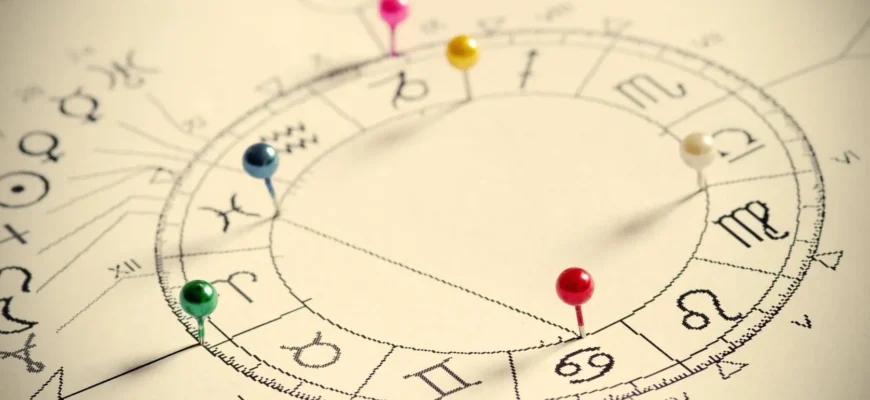
When studying astrological synastry charts, the bi-wheel synastry chart format proves most effective. Synastry charts overlay two individual natal charts showing both simultaneously revealing similarities and complexities in relationships through direct comparison.
Chart Overlay Methodology
The bi-wheel format places one person’s chart in the inner circle and the other’s in the outer circle, allowing simultaneous reading of both charts revealing inter-aspects. Generally, which person occupies the inner circle doesn’t matter significantly, though interpretation proves easier from that person’s perspective without drastically changing overall compatibility picture.
Synastry charts can be created free on several websites providing basic compatibility analysis. Professional astrology software like iPhemeris (available through Mac Store) allows creating synastry charts with saving capability for future reference, though this requires financial investment for serious practitioners.
Chart Interpretation Priorities
After creating synastry charts, systematic analysis begins with identifying most significant aspects and patterns affecting relationship dynamics. Conjunction aspects prove most powerful, followed by major aspects like squares, trines, oppositions, and sextiles revealing compatibility and challenge areas.
First examine conjunctions in synastry charts when two planets occupy the same sign within 4-5 degrees creating merged energy. For example, if your Venus in Aries conjuncts partner’s Saturn in Aries, this creates Venus-Saturn conjunction affecting relationship expression.
Conjunction energies work together setting relationship tone, influenced by signs involved. Conjunctions prove most important in synastry charts revealing core compatibility dynamics and primary relationship themes requiring attention.
Major Aspect Patterns in Relationship Analysis
After identifying all primary conjunctions including asteroids like Juno, Pallas, Vesta, and Lilith, analysis proceeds to squares and trines revealing additional compatibility dimensions. Each aspect type contributes unique information about relationship flow, challenges, and growth opportunities.
Square Aspects: Growth Through Friction
Square aspects create friction and tension requiring conscious work for relationship harmony. These challenging aspects indicate areas where partners approach life differently, potentially causing conflict without mutual understanding and compromise.
However, squares also provide growth opportunities through necessary friction pushing both partners beyond comfort zones. Relationships with only harmonious aspects may lack developmental stimulus, while squares provide motivation for conscious evolution through partnership challenges.
Trine Aspects: Natural Harmony
Trine aspects create natural harmony and easy flow between planetary energies supporting effortless compatibility. Partners with strong trines find certain relationship areas flow naturally without effort or conscious management.
While trines support relationship ease, too many trines without challenging aspects may create stagnation lacking growth stimulus. Ideal synastry combines harmonious and challenging aspects balancing ease with evolutionary pressure.
Opposition Aspects: Attraction and Balance
Opposition aspects create attraction through polarity while requiring conscious integration of different approaches. Partners feel drawn to opposite qualities they lack within themselves, creating complementary dynamics.
Oppositions require compromise and mutual understanding for successful navigation. These aspects create both attraction and potential conflict requiring conscious awareness and integration work supporting balanced partnership.
Practical Synastry Analysis Approach
Comprehensive relationship astrology requires examining multiple chart factors beyond isolated planetary positions. Systematic analysis considering all relevant indicators provides realistic compatibility assessment supporting conscious relationship development.
House Overlays and Planetary Rulers
Beyond inter-aspects between planets, house overlays show where partner’s planets fall in individual houses affecting life area emphasis. Planet placement in partner’s houses reveals relationship focus areas and mutual influence domains.
Planetary rulers of key houses like the 7th house (partnerships), 8th house (intimacy and transformation), and 5th house (romance and pleasure) provide additional compatibility insights through sign and aspect analysis.
Synthesis and Interpretation
Final interpretation synthesizes all factors including planetary aspects, house overlays, sign compatibility, and chart patterns creating comprehensive relationship picture. No single factor determines compatibility—multiple indicators together reveal relationship potential and challenges.
Understanding synastry astrology empowers conscious relationship navigation, realistic compatibility assessment, and partnership development supporting mutual growth, authentic connection, and lasting satisfaction through awareness of astrological dynamics affecting romantic bonds and committed partnerships.